
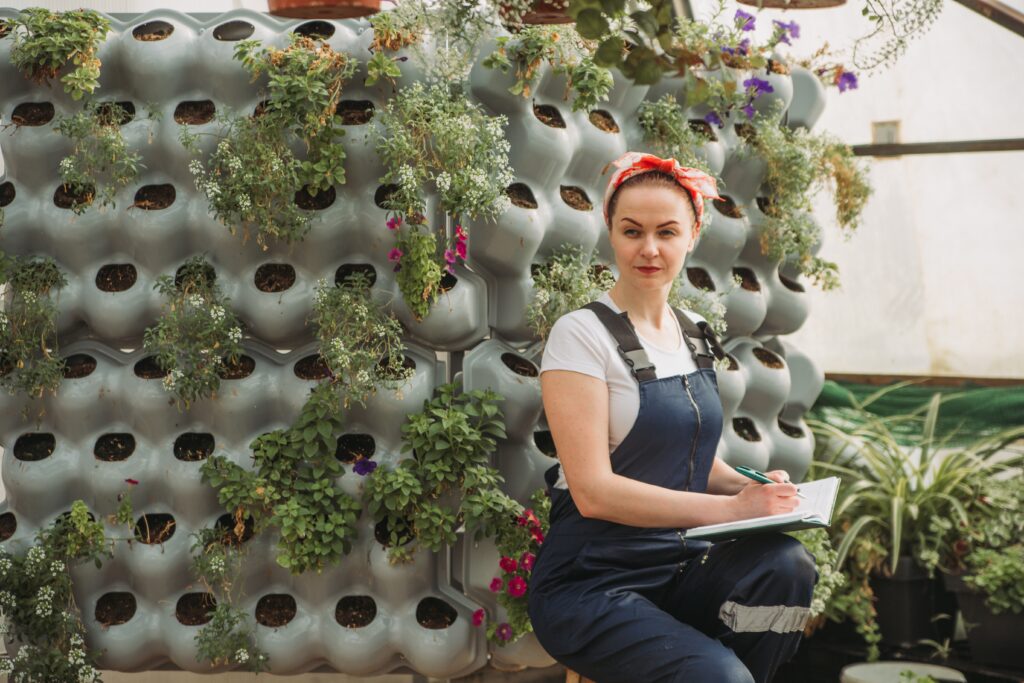
The Marvels of Vertical Gardening in Urban Spaces
Congratulations on embarking on the exciting journey of growing plants in your urban apartment, where space is a precious commodity. Instead of traditional gardening, you’ve chosen the unorthodox path of vertical gardening – a bold and innovative approach to bringing nature indoors.
Urban living often comes with limited square footage, making traditional gardening a challenge. However, by exploring vertical gardening, you can transform your living space into a lush green oasis that defies conventional norms. Elevate your gardening game by harnessing the vertical plane, utilizing walls and ceilings as potential growing spaces.
Embracing the Challenge
Urban living often comes with limited square footage, making traditional gardening a challenge. However, by exploring vertical gardening, you can transform your living space into a lush green oasis that defies conventional norms. Elevate your gardening game by harnessing the vertical plane, utilizing walls and ceilings as potential growing spaces.
Why Vertical Gardening?
Vertical gardening offers numerous benefits for urban dwellers. It maximizes space utilization, allowing you to cultivate a variety of plants even in small apartments. By going vertical, you can create a visually stunning environment that adds a touch of nature to your living space.
Advantages of Vertical Gardening:
- Optimal Space Utilization: Vertical gardening makes the most of your available space, allowing you to grow more plants without sacrificing floor area.
- Enhanced Visual Appeal: A well-designed vertical garden can serve as a beautiful focal point in your home, adding a unique and attractive element to your decor.
- Improved Air Quality: Plants help purify the air by absorbing pollutants and releasing oxygen, creating a healthier indoor environment.
- Easy Access for Care and Harvesting: Vertical gardens make it easier to reach your plants for watering, pruning, and harvesting.
- Potential for a Wide Range of Plants: From herbs and vegetables to flowers and vines, vertical gardening offers the flexibility to grow a diverse array of plants.
Overcoming Challenges Creatively
While vertical gardening presents its unique set of challenges, such as gravity and plant stability, with the right techniques and tools, you can overcome these obstacles. Stack planters, use trellises, and employ innovative solutions to create a thriving vertical garden in your urban abode.
Turning Your Space into a Botanical Wonderland
Imagine vines cascading down from your ceiling, vibrant flowers adorning your walls, and fresh herbs flourishing in unexpected nooks – that’s the magic of vertical gardening. By thinking vertically, you can unleash your creativity and transform your living environment into a captivating botanical wonderland.
Tips for Successful Vertical Gardening:
- Choose Indoor-Friendly Plants: Select plants that thrive in indoor conditions to ensure your vertical garden flourishes.
- Ensure Proper Lighting: Make sure your vertical garden receives adequate light, either through natural sunlight or artificial grow lights.
- Implement an Efficient Watering System: Use a watering system that reaches all levels of your garden to ensure even hydration.
- Regular Maintenance: Prune and maintain your vertical garden regularly to promote healthy growth and prevent overcrowding.
Embrace the Botanical Uprising
Vertical gardening allows you to break free from traditional gardening constraints and invite nature to ascend to new heights within your urban space. With a mix of determination, creativity, and a sprinkle of green magic, you can cultivate a thriving vertical garden that defies expectations. Embrace the chaos, celebrate the green revolution, and happy gardening!
What You’ll Need for Vertical Gardening
Vertical gardening is a great way to maximize space and add a lush touch to your home. Here’s what you’ll need to get started:
- Mr. Stacky 5-Tier Vertical Gardening Planter: Ideal for growing herbs, strawberries, and flowers in a compact, stackable design. – https://amzn.to/3zFlZH6
- Garden Tower Vertical Container Garden: Perfect for creating green walls with its multiple pockets designed for small plants and herbs. – https://amzn.to/3LniuaS
- Hanging Planter Wall Pockets: Fabric pockets that hang on walls, fences, or balcony railings, great for growing herbs, flowers, or small vegetables. – https://amzn.to/4cUFMAA
- Aerospring 27-Plant Vertical Hydroponics Indoor Growing System: A complete hydroponic system for indoor and outdoor gardening, allowing you to grow plants without soil. – https://amzn.to/464oNcL
- Amagabeli Garden Trellis for Climbing Plants: Essential for supporting climbing plants like cucumbers, peas, or flowering vines in garden beds or large containers. – https://amzn.to/4eTsVAF