
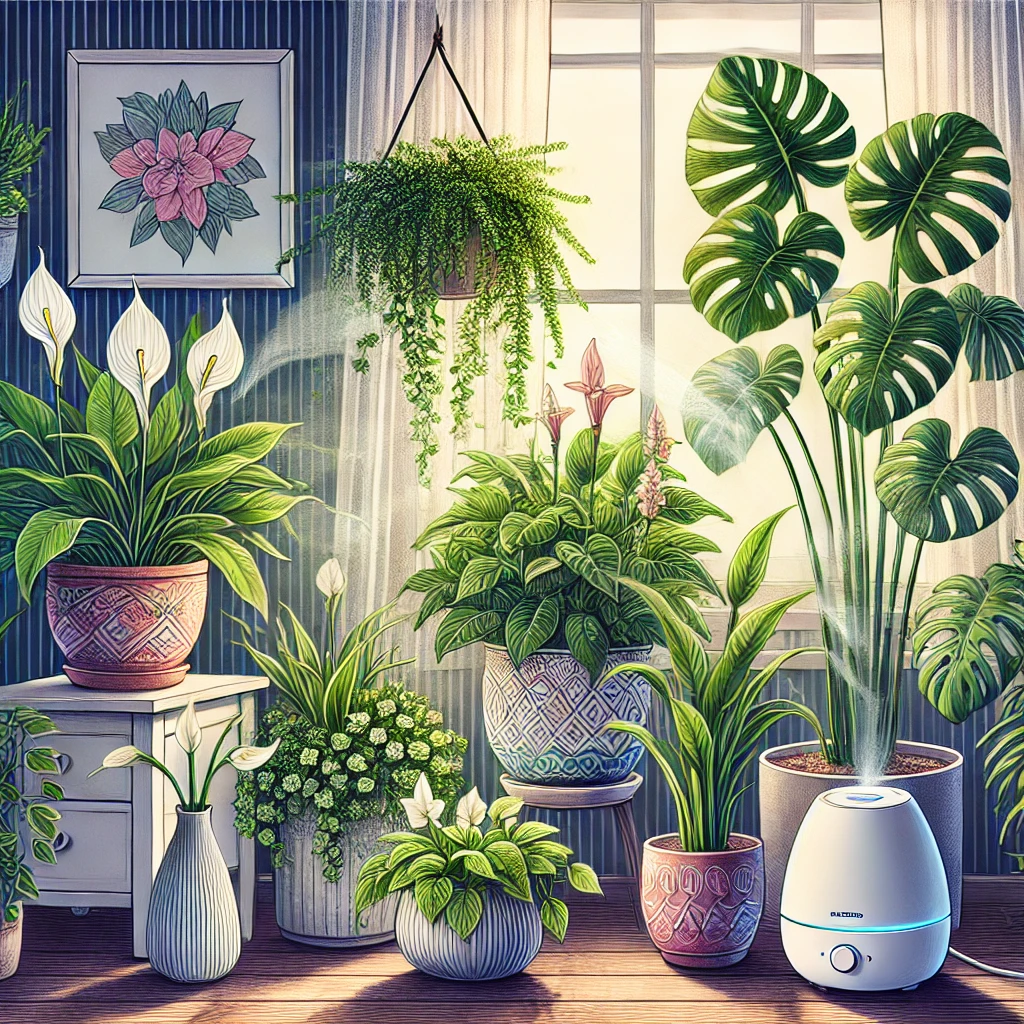
Your Guide to Selecting Moisture-Absorbing Houseplants
As winter settles in, many of us are dealing with increased humidity levels in our homes, which often leads to condensation on windows and lingering dampness. While dehumidifiers are popular solutions, consider incorporating certain houseplants that are adept at absorbing moisture from the air. This guide reveals how these plants utilize a process called foliar uptake and highlights five houseplants that can help improve air quality in humid environments.
Understanding Foliar Uptake
Foliar uptake is the process by which plants absorb water through their leaves and stems, primarily through tiny pores known as stomata. This is especially common among plants that thrive in humid conditions and can significantly assist in maintaining moisture levels in your home.
Top 5 Houseplants That Absorb Moisture
- Orchids – Orchids are not just beautiful but also effective at absorbing moisture through their aerial roots and leaves. Ensure they receive bright, indirect light and water them when their roots appear silver.
- Ferns – These delicate plants absorb moisture through their fronds when in humid environments. Popular choices include Boston moss and bird’s nest ferns. They thrive in medium to bright indirect light, making them ideal for various indoor spaces.
- Pothos – Known for their air-cleaning abilities, Pothos plants prefer high humidity conditions. They need bright, indirect light and must be watered deeply when the top inch of the soil dries out.
- Bromeliads – These tropical plants capture and absorb moisture through their unique leaf rosettes. Place them in sunny spots and maintain consistent moisture to keep them thriving.
- Rubber Plants – Rubber plants can adapt to diverse humidity levels, making them versatile choices. Water them when the top few inches of soil dry out, and provide indirect light for best results.
FAQs about Houseplant Care
Can you water houseplant leaves?
No, it’s generally not advisable to water the leaves, as plants primarily absorb moisture through their roots. However, certain tropical plants can benefit from the humidity they derive from their environment.
What if my plant shows signs of stress?
If your plants appear stressed—like browning leaves or drooping fronds—assess their light and moisture requirements. Tools like moisture meters can help you gauge when to water.
Can houseplants significantly reduce moisture levels in homes?
While these plants can absorb moisture, their effect won’t be as significant compared to natural settings. However, they contribute positively to indoor air quality and aesthetics.
For a blissful indoor environment this winter, consider adding these moisture-absorbing plants to your home. They not only help regulate humidity but also bring life and beauty to your space. Have tips or favorite plants that work well for humidity? Share your thoughts in the comments below!