
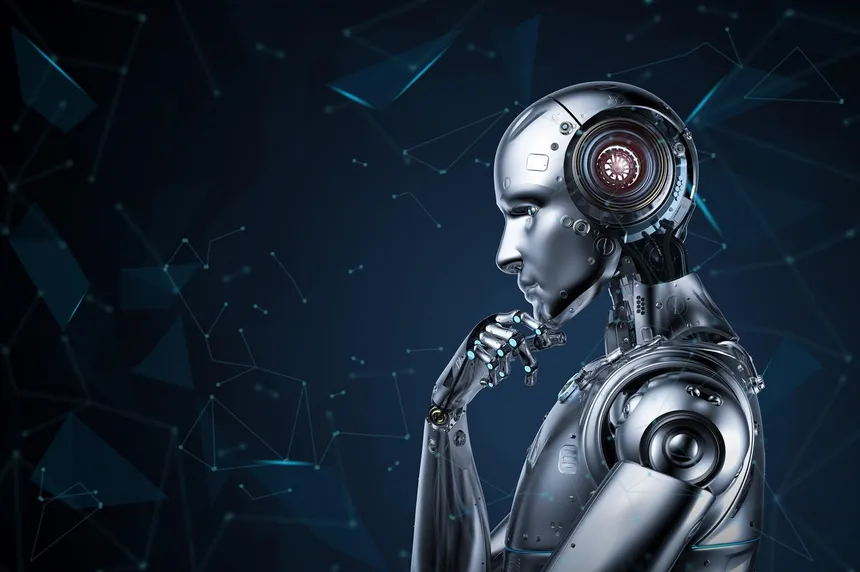
AI: Breaking Free from Human-Centric Thinking
As artificial intelligence (AI) continues to evolve, a significant transformation is underway in how machines learn and interact with the world. Traditionally, AI systems have relied heavily on human knowledge and guidance. However, a new generation of models, particularly OpenAI’s o1, is demonstrating a profound shift away from this human-centric approach.
From Human Insight to Self-Discovery
This transition echoes the groundbreaking advancements seen with DeepMind’s AlphaGo, which famously defeated world-champion Go player Lee Sedol in 2016. What set AlphaGo apart was its innovative use of self-play reinforcement learning (RL). It learned through trial and error, competing against itself across millions of games while crafting an understanding of Go that diverged from traditional human strategies.
DeepMind’s Evolution: AlphaGo to AlphaZero
This approach garnered further success with AlphaZero, which left behind the human-centric models of yesteryear like IBM’s Deep Blue. AlphaZero developed its chess strategies by playing against itself thousands of times, culminating in a remarkable 28 wins against Stockfish, a leading chess engine.
Redefining Learning Paradigms
The key to this AI dominance is its ability to break away from human-like reasoning. As noted by AI expert Andrej Karpathy, “You can tell the RL is done properly when the models cease to speak English in their chain of thought.” This indicates a move toward a more abstract, non-human understanding of problem-solving.
Introducing OpenAI’s o1 Model
OpenAI’s new o1 model represents a significant leap forward in this journey. It is beginning to operate more autonomously than its predecessors, relying heavily on reinforcement learning and self-discovery, even in areas traditionally dominated by human language processing. Unlike prior models like GPT-4, which were grounded in extensive datasets rich with human input, o1 is exploring uncharted methods of understanding and problem-solving.
The Role of ‘Thinking Time’
A distinctive feature of the o1 model is its introduction of ‘thinking time’. During this phase, the model goes through a reasoning process that imitates human deliberation. However, unlike earlier models that adhered to a straightforward reasoning pattern, o1 adopts a trial-and-error strategy, experimenting with various approaches to hone in on the most effective solutions.
Implications for Future AI
The implications of these advancements are revolutionary, particularly in fields demanding precise factual knowledge, such as coding. By minimizing errors and enhancing its learning from mistakes, o1 is beginning to surpass even Ph.D.-level expertise in certain areas.
Beyond Language Models
Looking ahead, the most intriguing developments may not be limited to language models but extend to AI systems equipped with physical capabilities. Companies like Tesla and Sanctuary AI are constructing humanoid robots that utilize reinforcement learning to navigate and learn about the physical world. These robots are set to cultivate their own knowledge of reality, unbound by human notions of scientific methods.
A New Era of Discovery
As AI continues to explore the physical realm through hands-on interaction, it might discover principles and technologies previously unimagined by humans. This marks the beginning of a new era in AI – one where machines form their own understanding of the universe, potentially leading to breakthroughs that redefine our comprehension of technology and science.
The journey of AI towards greater self-reliance and autonomous learning is opening up thrilling possibilities for our future. As we integrate these advancements into our everyday lives, embracing these changes will be key. What are your thoughts on how AI will shape our world? Share your ideas in the comments below!